
Schedule Your Visit
Fill out the appointment form and our team will contact you shortly.
Cataract Surgery in Dehradun — Diagnosis, Treatment and IOL Options
A cataract is a gradual clouding of the eye's natural lens — one of the most common causes of reducible visual impairment in adults across India. If colours seem less vivid, night driving has become more difficult, or you find yourself changing your spectacle prescription more often than before, a cataract may be developing.
At Raahi Netradham Eye Clinic on Haridwar Bypass Road in Dehradun, our ophthalmology team provides comprehensive cataract evaluation and surgical care — from your first consultation through to post-operative follow-up. Whether your cataract is in its early stages or has become denser over time, we will guide you through the options available for your specific eye condition and lifestyle.
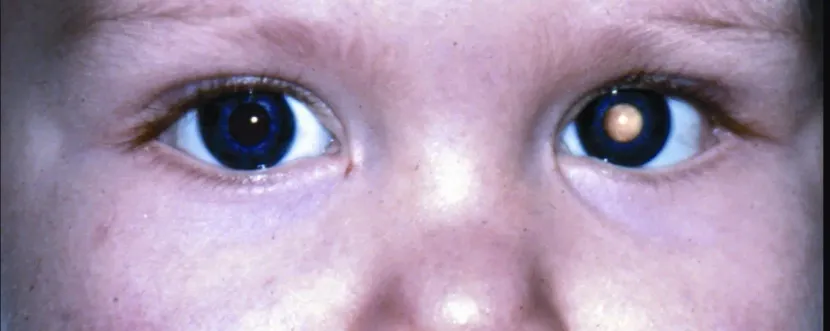
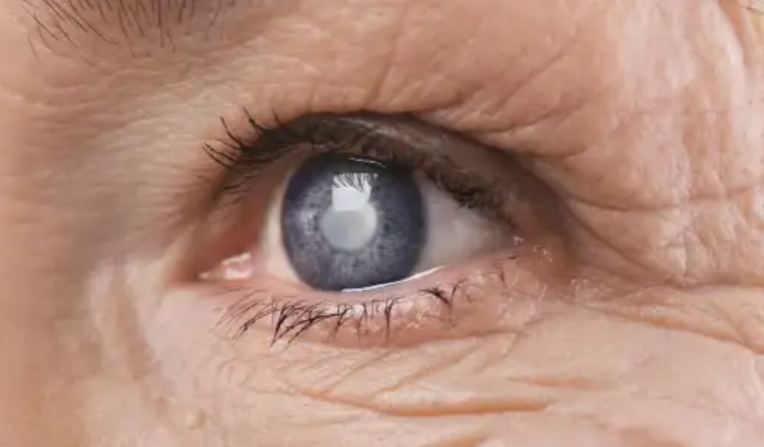
What Is a Cataract?
Cataract Surgery Process
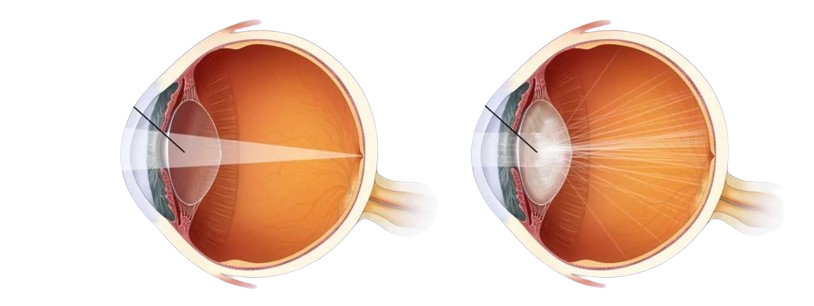
The eye's natural lens sits behind the iris and pupil. In a healthy young eye, it is clear and flexible — allowing light to focus sharply on the retina for crisp vision at all distances. Over time, chemical changes within the lens cause its proteins to aggregate and break down, producing clouding that scatters incoming light rather than focusing it.
This clouding is called a cataract. Most cataracts develop gradually with age and affect both eyes, though not always at the same rate. In early stages, a cataract may produce only mild blurring. As it progresses, vision loss can become significant enough to interfere with daily activities.
Cataracts are also classified by location within the lens — nuclear (at the centre), cortical (at the outer layer), and posterior subcapsular (at the back of the lens, which can progress more quickly and affect reading vision earlier).
YOU MUST KNOW
Cataracts CAN’T be prevented, but CAN be surgically removed and treated.
DID YOU KNOW?
cataract surgery at RAAHI Netradham is painfree and safe.
Understanding Cataracts
Learn about common symptoms and underlying causes to help protect your vision with early detection and timely care.
Recognizing Symptoms
Cataracts can cause progressive vision loss, making everyday tasks like reading or driving at night challenging. A timely clinical evaluation by an ophthalmologist is critical for proper diagnosis.
Key Underlying Causes
While natural aging is the primary cause, metabolic conditions, UV exposure, eye trauma, and long-term medication use can accelerate lens clouding.
Common Symptoms of Cataract
Blurred Vision
Hazy or foggy vision that does not fully correct with glasses.
Faded Colors
Colors appearing yellowed, dull, or less vivid than before.
Increased Glare
Sensitivity to sunlight, headlights, or bright indoor lights.
Poor Night Vision
Difficulty seeing clearly in low light or while driving at night.
Halos Around Lights
Seeing ring-like glare or halos around light sources.
Frequent Prescription Shifts
Needing constant changes in spectacle or contact lens strength.
Reading Difficulty
Trouble reading fine print, even when wearing current glasses.
Monocular Double Vision
Experiencing double vision isolated to a single eye.
Progressive Foggy Vision
A continuous sense that sight is clouded or veiled.
What Causes Cataracts?
Natural Aging
Most common in adults over 55 as protein structures in the lens change.
Diabetes Mellitus
Elevated blood sugar alters the lens environment, accelerating clouding.
Corticosteroids
Long-term systemic or topical use of steroid medications.
Trauma & Surgery
Prior eye injuries, intraocular procedures, or radiation exposure.
Genetics & UV Light
Family history of early cataracts and prolonged ultraviolet radiation exposure.
Metabolic Disorders
Various systemic health conditions that impact ocular health over time.
Vision Simulation with Different Lenses
Cataract Surgery With
Highly Advanced PHACO Machine
Are you or a loved one struggling with cloudy, blurred, or dim vision? You are likely one of the millions facing Cataracts (Motiyabind). At Raahi Netradham, we believe clear vision is a fundamental right. We bring the world’s most advanced cataract removal technique—Phacoemulsification—right here to Uttarakhand, ensuring you walk out with a brighter, clearer view of the world.
What is Phacoemulsification? (The "No-Stitch" Surgery)
Gone are the days of painful surgeries and long recovery times. Phacoemulsification (Phaco) is the gold standard in modern eye care. It is a micro-incision technique that uses ultrasound energy to safely break up the cloudy lens and remove it.
How Phacoemulsification Works
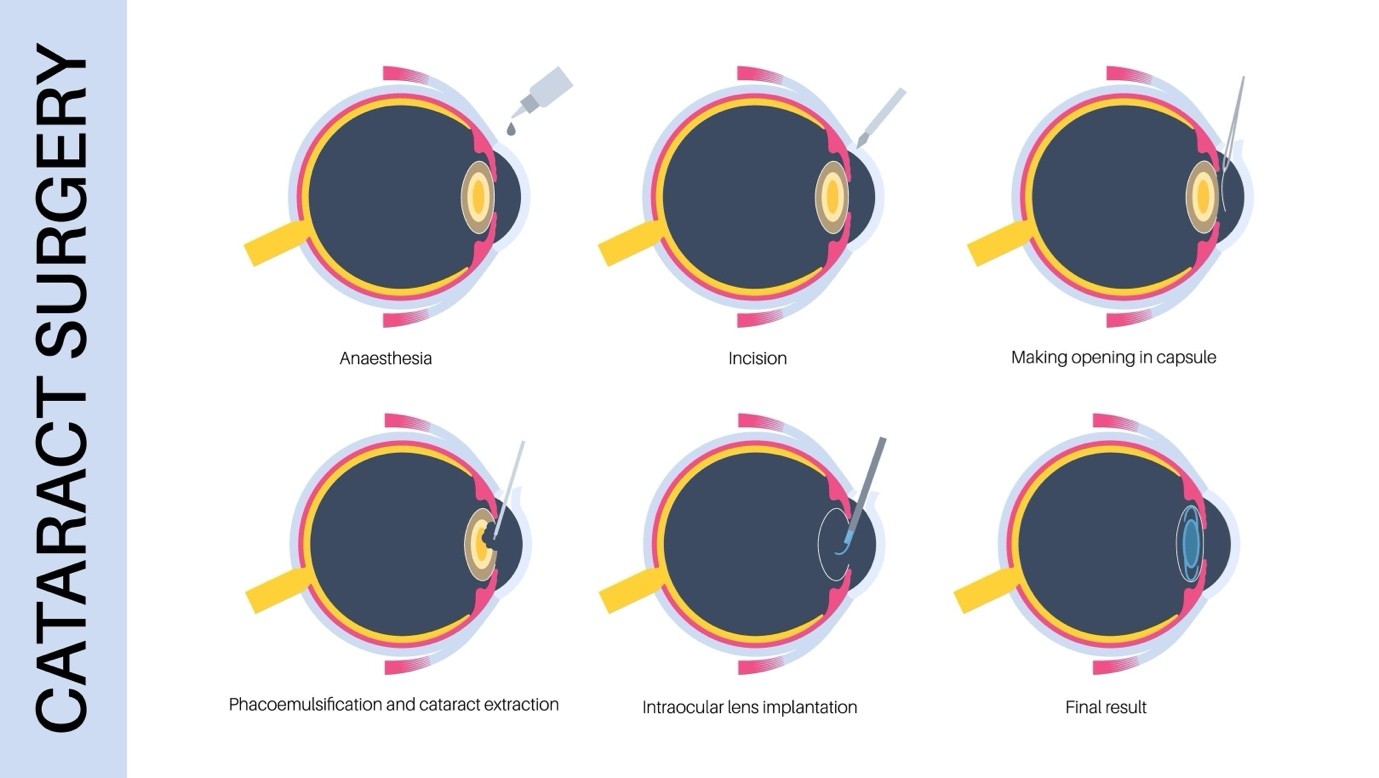
Micro-Incision
The surgeon makes a tiny incision (less than 2.8mm) in the eye—so small it seals itself naturally without stitches.
Ultrasonic Waves
A specialized probe uses gentle ultrasound waves to break the cloudy cataract into microscopic fragments.
Lens Implantation
A foldable Intraocular Lens (IOL) is inserted through the tiny opening and unfolds perfectly inside the eye to restore clear vision.
Why Choose Phacoemulsification?
- ✔ 100% Blade-Free & Sutureless – Faster healing with no irritation
- ✔ Walk-in, Walk-out Procedure – Surgery completed in under 20 minutes
- ✔ Painless Recovery – Performed under topical anesthesia (eye drops)
- ✔ Instant Results – Improved vision within 24 hours for most patients
Why Raahi Netradham is the Best Place for Cataract Surgery in Uttarakhand
Expert Surgeons You Can Trust
Our highly qualified specialists—Dr. Mohit Garg, Dr. Chintan Desai, and Dr. Isha Agarwalla—are trained at premier institutes such as Sankara Nethralaya, Sri Sankaradeva Nethralaya, and Shroff Charity Eye Institute, ensuring precision and safety in every surgery.
Advanced Technology
We use cutting-edge diagnostic and surgical tools, including Optical Coherence Tomography (OCT) and Non-Contact Tonometers, to accurately map your eye health and choose the perfect IOL for your lifestyle.
The “RAAHI” Mission
Right to Affordable and Accessible Healthcare Initiative—world-class cataract surgery at transparent and affordable costs for every family in Uttarakhand.
Holistic Patient Care
Conveniently located on Haridwar Bypass Road, our center is designed for comfort. From consultation to post-surgery follow-ups, we treat every patient like family.
Cataract Surgery Options in Dehradun
The appropriate surgical technique depends on the individual patient's eye — the density of the cataract, the corneal health, the pupil, and other clinical factors. Our team will recommend the most appropriate approach following your evaluation.
Phacoemulsification (Phaco Surgery)
- Uses ultrasound energy to break up and aspirate the cloudy lens through a tiny 2 to 3 mm corneal incision
- Incision is generally self-sealing and rarely requires stitches
- Intraocular lens (IOL) inserted into the remaining capsule; fast progressive recovery
Small Incision Cataract Surgery (SICS)
- Utilizes a slightly larger, self-sealing incision without needing stitches in most cases
- Ideal for very dense, mature cataracts where high ultrasound energy should be avoided
- Recommended based on specific clinical evaluation
Laser-Assisted Cataract Surgery
- Uses a femtosecond laser for highly precise corneal incisions, capsulotomy, and lens fragmentation
- Performed prior to the standard phacoemulsification phase
- Selected based on detailed eye measurements and individual clinical assessments
Our eye specialists will guide you in choosing the most effective and suitable surgical approach for your vision needs.
When Should You Consider Cataract Surgery?
Cataract surgery is considered when lens clouding produces visual impairment that interferes with your everyday activities and quality of life.
Reading Difficulties
Trouble reading comfortably or seeing fine print despite using appropriate glasses.
Driving Challenges
Reduced confidence when driving, particularly at night due to dim vision and glare.
Recognizing Faces
Difficulty recognizing faces clearly at standard conversational distances.
Glare & Halos
Troublesome halos or light glare affecting daily comfort and visual clarity.
Daily Activity Limits
Significant limitations at work, during recreation, or performing household tasks like cooking and stairs.
Personal Decision
The right timing is a clinical choice. Our team will guide you to make an informed decision.
Cataract Diagnosis at Raahi Netradham, Dehradun
A comprehensive pre-operative evaluation performed before planning any procedure
Visual Acuity Assessment
Measures visual clarity with and without glasses for both distance and near vision.
Slit-Lamp Examination
Detailed evaluation of the eye's anterior segment, identifying cataract type and density.
Intraocular Pressure
Measurement of internal eye pressure to screen for co-existing glaucoma risks.
Dilated Fundus Examination
Comprehensive evaluation of the retina and optic nerve prior to surgical planning.
Optical Biometry
Precise measurements of axial length and chamber depth for accurate IOL power calculation.
Keratometry Assessment
Corneal mapping essential for selecting toric and premium intraocular lenses (IOLs).


Cataract Lens Options — Which IOL May Be Right for You?
The intraocular lens (IOL) implanted during cataract surgery replaces the cloudy natural lens and determines how your eyes focus light after surgery. IOL selection depends on the measurements and health of your eyes, your existing degree of astigmatism, your visual priorities, and your lifestyle. There is no universally 'best' IOL — the appropriate choice is determined through a thorough pre-operative assessment and discussion.
Monofocal IOL
A monofocal IOL is optimised for clear vision at one focal distance — most commonly set for distance.
- Clear vision for driving, TV, and outdoor activities
- Long track record with high optical quality & contrast sensitivity
- Reading glasses are generally still needed for near tasks
Toric IOL
A toric IOL incorporates astigmatism correction into the lens for patients with corneal cylinder.
- Corrects both cataracts and pre-existing astigmatism simultaneously
- Significantly reduces dependency on distance glasses
- Requires precise corneal measurement and accurate surgical alignment
Multifocal & Trifocal IOL
Designed to distribute light across multiple focal zones — distance, intermediate, and near.
- Aims for spectacle independence across a range of daily tasks
- Ideal for suitable patients with healthy maculae and regular corneas
- Adaptation period required; light halos may be noticed at night
EDOF IOL (Extended Depth of Focus)
Extends the continuous range of clear focus for distance and intermediate vision.
- Seamless focus for distance and screen/computer work
- Reduced halos compared to traditional multifocal designs
- Sustained fine reading tasks may still require low-power glasses
IOL Comparison Overview
| IOL Type | Common Visual Goal | May Help With | Important Considerations |
|---|---|---|---|
| Monofocal | Sharp distance vision | Reducing need for distance glasses | Reading glasses still typically needed |
| Toric | Distance vision + astigmatism correction | Reducing both distance glasses and cylinder | Requires accurate corneal measurement and alignment |
| Multifocal / Trifocal | Spectacle independence across distances | Distance, intermediate, and near tasks | Halos possible; requires good macular health |
| EDOF | Distance + intermediate with fewer halos | Reducing distance and screen glasses | Fine near vision may still need low readers |
Our clinical team will guide you through detailed eye measurements to select the intraocular lens best suited for your vision priorities.
cataract surgery planning and preparation leading to gallery
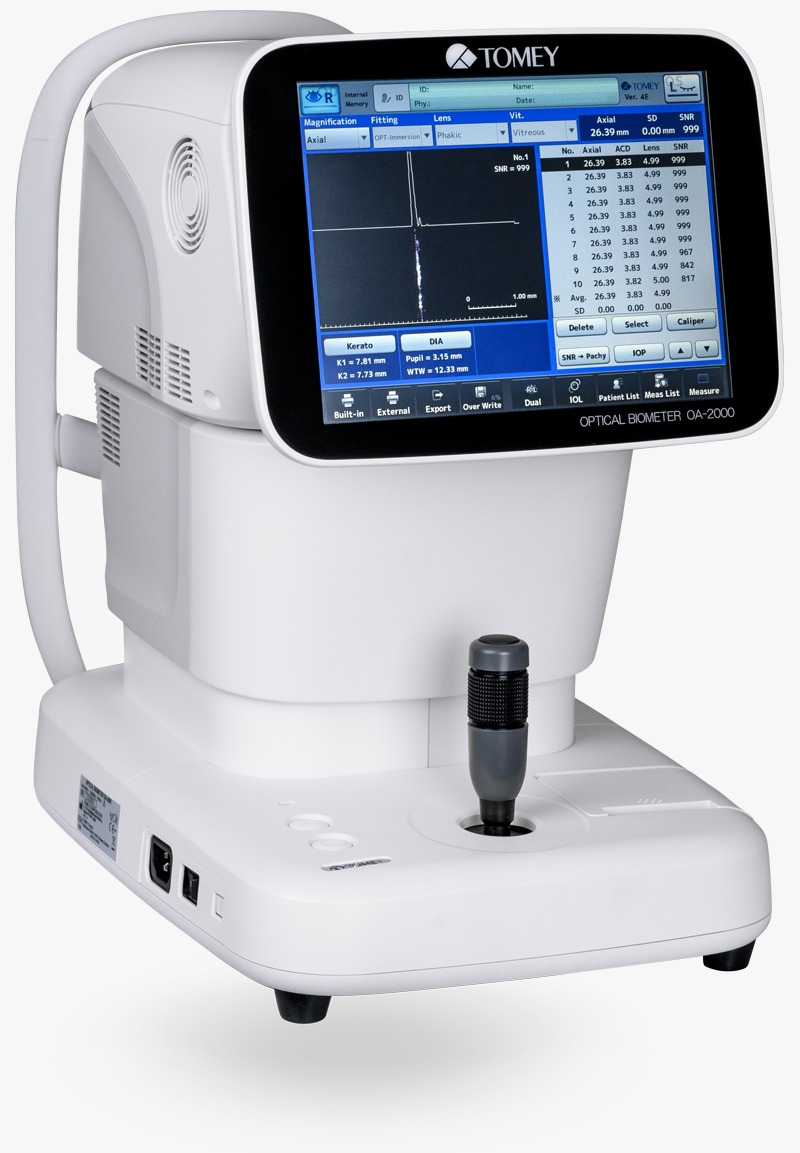
Tomey OA-2000 Optical Biometer
The Tomey OA-2000 is a fast, non-contact, all-in-one optical biometer that combines axial length, keratometry, pachymetry, anterior chamber depth, and corneal topography in one quick scan.
This makes pre-cataract surgery examinations smoother, reduces patient stress, and provides highly accurate data for better Intraocular Lens (IOL) calculations.
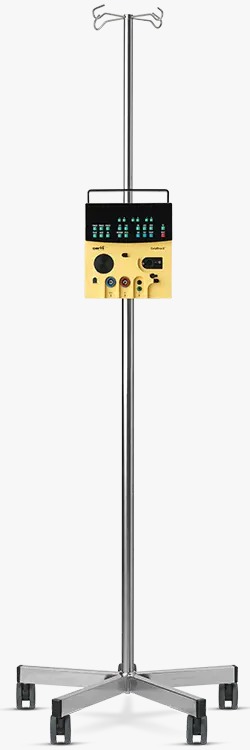
Oertli CataRhex
The Oertli CataRhex is great for patients because its advanced technology, such as the SPEEP pump, allows for safer and gentler cataract removal.
It uses less ultrasound energy, prevents wound burn, and helps speed up recovery, ensuring a smoother surgical experience.
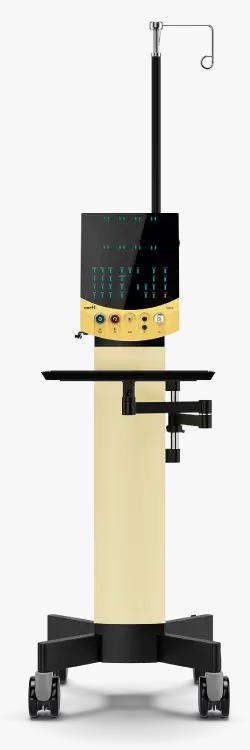
Oertli Faros
The Oertli Faros is considered a top ophthalmic surgical platform due to its compact design, ease of use, and advanced SWISS technology like the SPEEP pump.
It offers surgeons precise control, high efficiency, stable intraocular pressure (IOP) for safer procedures, and excellent illumination, making it ideal for both cataract and vitreo-retinal surgeries.
Your Steps To Better Vision
Get treated and cared by the compassionate and experienced medical team
STEP 1
Get In Touch With Us
Call us : +91-7078082666
Mail Us : info@raahinetradham.com
Chat on WhatsApp : +91-7078082666
STEP 2
Book Doctor Appointment
Get your appointment with the doctor to consult about your eye condition and treatment options available
STEP 3
Get Your Treatment
With proper consultation with the doctor, get your treatment as early as possible to restore your sight
Cataract Surgery Procedure, Preparation & Recovery in Dehradun
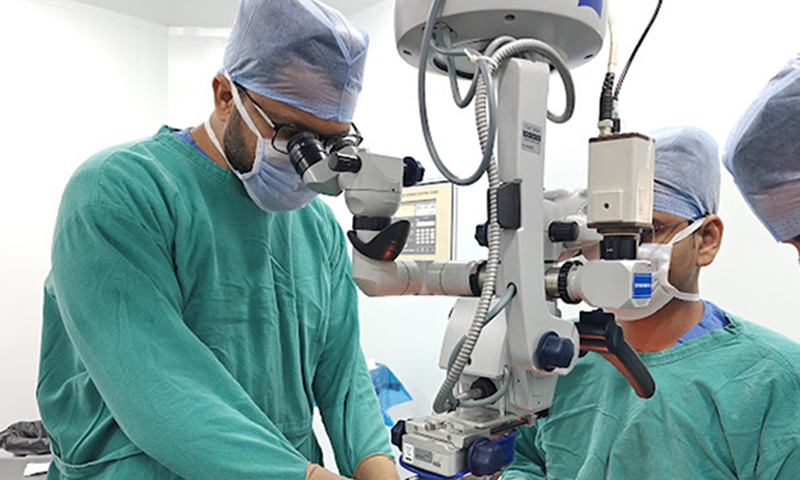
At Raahi Netradham Eye Clinic, cataract surgery is performed as a seamless, safe, and day-care procedure. Our experienced ophthalmic team utilizes advanced micro-incision surgical technology to ensure rapid visual rehabilitation and patient comfort.
How Is Cataract Surgery Performed?
Cataract surgery at Raahi Netradham is performed as a fast and painless day procedure. Most cataract procedures are completed within 20 to 30 minutes, and patients are observed briefly before being discharged the same day with a companion.
- 1. Pre-operative Evaluation: Detailed clinical assessment, optical biometry, IOL power calculation, and informed consent.
- 2. Preparation: Dilating eye drops are applied, and the eye and surrounding area are thoroughly cleaned and covered with a sterile drape.
- 3. Anaesthesia: Topical anaesthetic drops are used in most cases to ensure complete comfort; local injections are rarely required.
- 4. Corneal Incision: A tiny micro-incision is created at the edge of the clear cornea.
- 5. Capsulorhexis: A precise, continuous circular opening is created in the front capsule of the lens.
- 6. Lens Emulsification: The cloudy natural lens is fragmented using gentle ultrasound energy (phacoemulsification) and aspirating techniques.
- 7. IOL Implantation: The foldable Intraocular Lens (IOL) is inserted through the micro-incision, unfolding safely within the lens capsule.
- 8. Incision Sealing: The self-sealing wound is verified; stitches are typically not required.
- 9. Post-operative Care: Prescribed eye drops and comprehensive post-op instructions are given prior to discharge.
How to Prepare for Cataract Surgery
Following these pre-operative guidelines ensures a smooth procedure and optimal surgical outcomes:
- Medication Disclosure: Disclose all current medications (including blood thinners, diabetes meds, and eye drops) at your consultation.
- Health Parameters: Ensure blood sugar and blood pressure are stable and well controlled.
- Arrange Transport: Plan for a family member or companion to drive you home, as driving is not permitted immediately after surgery.
- Pre-Op Drops: Strictly follow your surgeon’s instructions regarding any eye drops to start or stop prior to surgery.
- Glasses & Allergies: Bring your current spectacles to your appointment and notify the surgical team of any known drug allergies.
- Timely Arrival: Arrive at the clinic as scheduled to allow adequate time for eye dilation and preparation.
Cataract Surgery Recovery and Aftercare
Visual recovery is typically progressive. Most patients notice meaningful improvement in visual clarity within the first 24 to 48 hours, with vision continuing to stabilize over subsequent weeks.
Standard Aftercare Guidelines:
- Use prescribed antibiotic and anti-inflammatory eye drops strictly as directed for several weeks.
- Avoid rubbing, touching, or pressing on the operated eye.
- Wear protective sunglasses outdoors to shield your eyes from bright light and dust.
- Avoid swimming, heavy lifting, or exposing the eye to unsterile tap water until cleared by your surgeon.
- Attend all scheduled follow-up visits to monitor healing progress.
- Prompt Contact: Reach out to the clinic immediately if you experience sudden vision changes, severe pain, increasing redness, or discharge.

Why Choose Raahi Netradham for Cataract Surgery in Dehradun?
Raahi Netradham Eye Clinic on Haridwar Bypass Road brings together specialist ophthalmology expertise, modern diagnostic technology, and a patient-centred approach to cataract care in Dehradun. We serve patients from across Uttarakhand including Dehradun city, Mussoorie, Haridwar, Rishikesh, Tehri, and Roorkee.
Dedicated Ophthalmology Specialist Team
Experienced in comprehensive cataract evaluation and advanced surgical management tailored to individual needs.
Comprehensive Pre-operative Assessment
Includes optical biometry, corneal topography, and retinal evaluation before surgery is planned to ensure optimal outcomes.
Full Range of IOL Options
Wide selection of premium lens options available including monofocal, toric, multifocal, trifocal, and EDOF lenses.
Advanced Surgical Technology
State-of-the-art Oertli CataRhex and Oertli Faros surgical systems for precise, safe, and efficient procedures.
Tomey OA-2000 Optical Biometer
Cutting-edge non-contact optical biometry for exact, highly accurate IOL power calculations.
NABH Accreditation
Independently verified quality, safety standards, and strict clinical protocols for complete peace of mind.
Structured Post-operative Follow-Up
Comprehensive aftercare programs and regular visual recovery monitoring to ensure long-term success.
Convenient Dehradun Location
Easily accessible clinic located on Haridwar Bypass Road, Ajabpur Kalan, with ample parking and accessibility.
Meet Our Expert Team of Doctors
Our reputation as the best eye hospital in Dehradun is built on our skilled professionals. Each eye doctor in Dehradun at Raahi Netradham delivers specialized expertise in priority areas like cataracts, retina, oculoplasty, and ocular tumors.

MBBS, DNB, FAICO, MNAMS – Compassionate ophthalmologist in Dehradun specializing in cataract, oculoplasty, and ocular oncology, including cosmetic.
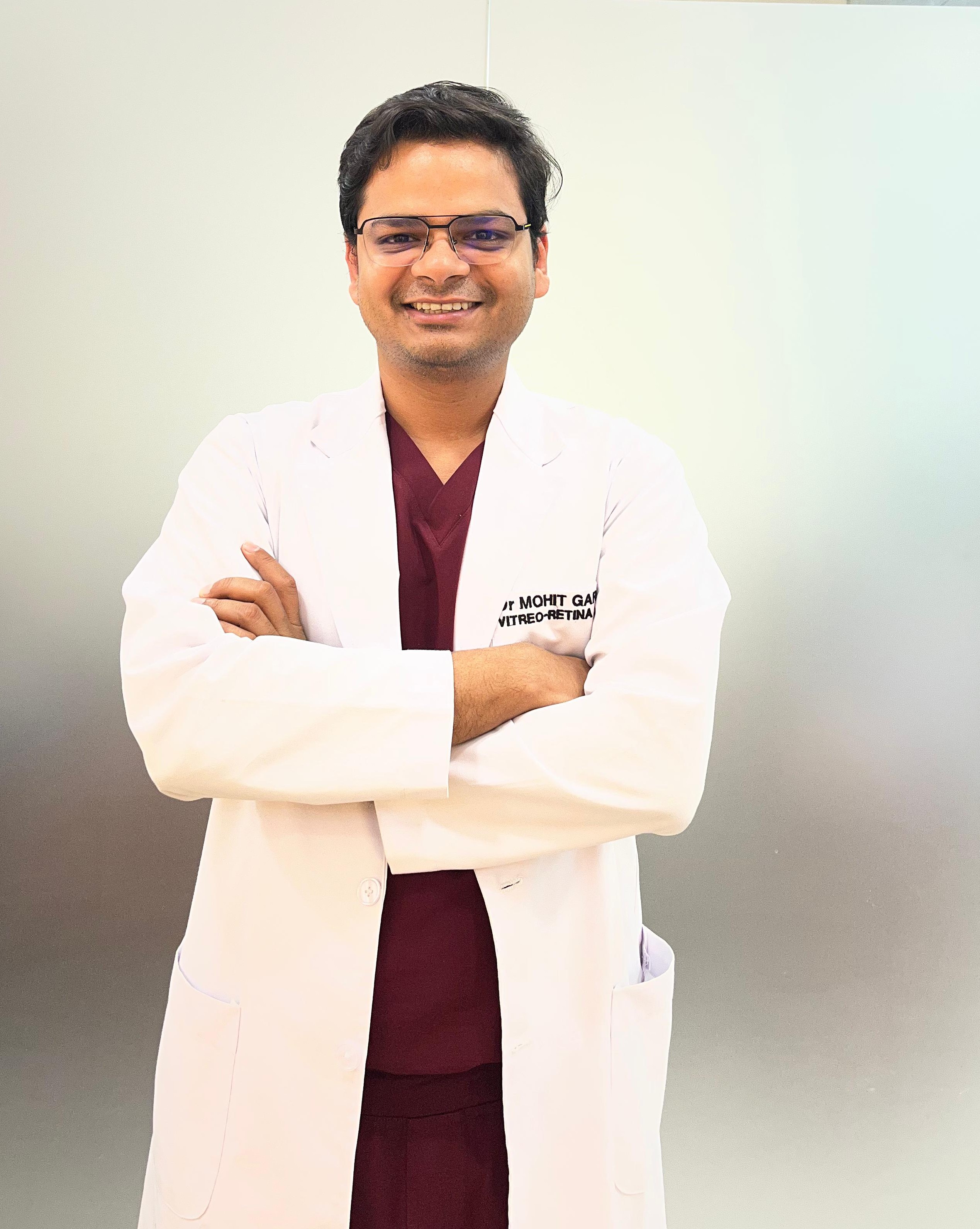
MBBS, DNB, FVRS, MNAMS – Our leading retina specialist in Dehradun and neuro-ophthalmology expert, proficient in vitreo-retinal surgeries and cataract procedures.
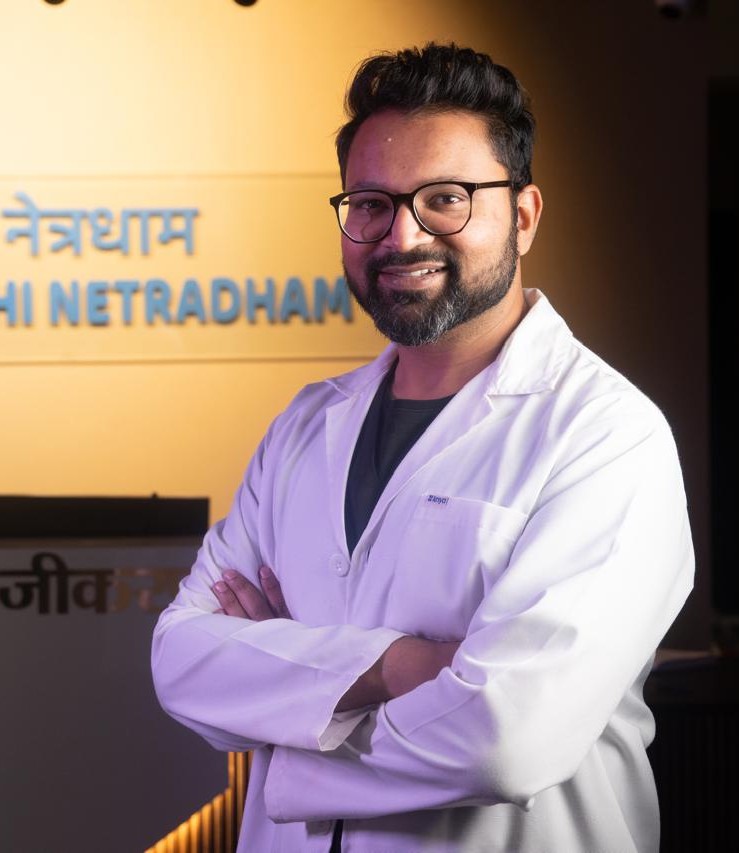
MBBS, DNB, FICO, FMRF – Renowned specialist for advanced medical and surgical retina care, uveitis, and complex anterior segment surgeries.