
Schedule Your Visit
Fill out the appointment form and our team will contact you shortly.
Comprehensive Eye Examination – Advanced & Detailed Eye Check-Up for Complete Vision Care
A Comprehensive Eye Examination is a detailed evaluation of your eye health and vision performed by experienced eye specialists. It not only checks your eyesight number but also detects early signs of serious eye conditions such as glaucoma, cataract, retinal disorders, diabetic eye disease, and macular degeneration.
Regular eye exams are essential for maintaining healthy vision and preventing long-term complications.
Why is a Comprehensive Eye Exam Important?
Many eye diseases develop silently without noticeable symptoms. Early detection helps in:
- Preventing vision loss
- Managing glaucoma in early stages
- Detecting diabetic retinopathy
- Identifying macular degeneration
- Monitoring cataract progression
- Evaluating children’s vision development
Regular eye exams are recommended even if you do not have vision problems.
What is a Comprehensive Eye Examination?
A comprehensive eye examination is a thorough assessment of:
- Visual acuity (distance & near vision)
- Refractive errors (myopia, hyperopia, astigmatism)
- Eye muscle coordination
- Eye pressure (glaucoma screening)
- Retina and optic nerve health
- Corneal condition
- Color vision & depth perception
- Tear film evaluation (Dry Eye screening)
Unlike a basic vision test, this exam evaluates both vision clarity and overall eye health.

Contact Us for Your Next Eye Checkup in Dehradun
Prioritize your eye health today. Visit Raahi Netradham Dehradun at 3rd Floor, Haridwar Bypass Rd, Rispanapul, Ajabpur Kalan, Dehradun, Uttarakhand. Call +91-7078082666 , +91 7078018111 or email info@raahinetradham.com to book. Open Monday to Saturday, 9 AM to 6 PM. Book Now and Experience Premier Care at the Best Eye Hospital in Dehradun!

Who Should Get a Comprehensive Eye Examination?
- Children (for learning & vision development)
- Adults above 40 years
- Diabetic patients
- Patients with hypertension
- Individuals with family history of eye diseases
- People experiencing headaches or eye strain
- Computer users with digital eye strain
What Tests Are Included?
A comprehensive eye examination includes advanced diagnostic tests to evaluate both vision clarity and overall eye health.
Visual Acuity Test
- Measures clarity of vision at near and distance
- Identifies vision sharpness issues
- Detects early visual changes
Refraction Test
- Determines accurate glasses or contact lens power
- Detects myopia, hyperopia, and astigmatism
- Provides precise vision correction
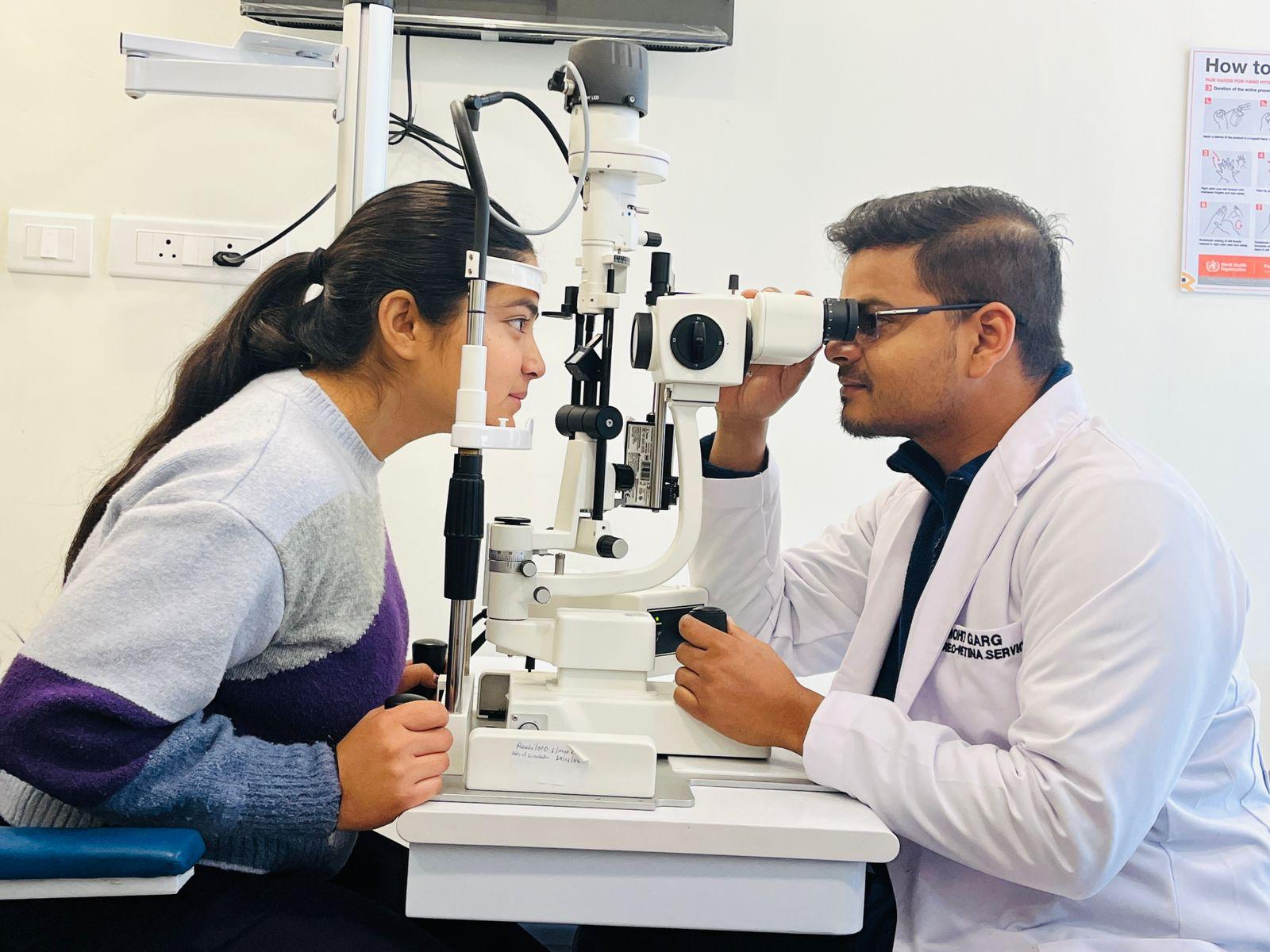
Slit Lamp Examination
- Examines cornea, iris, and lens
- Detects cataract and infections
- Evaluates anterior eye structures in detail
Intraocular Pressure (IOP) Test
- Measures eye pressure
- Screens for glaucoma
- Helps prevent optic nerve damage
Dilated Fundus Examination
- Examines retina and optic nerve
- Detects diabetic retinopathy
- Identifies macular degeneration
Computerized Vision Testing
- Advanced digital eye assessment
- Accurate and reliable results
- Supports early disease detection
Our comprehensive testing approach ensures early diagnosis, accurate treatment planning, and long-term vision protection for patients of all age groups.
Signs You May Need an Eye Exam
- Blurred or hazy vision at near or distance
- Frequent headaches associated with eye strain
- Eye redness, burning, or irritation
- Difficulty reading small print or focusing on screens
- Double vision (seeing two images of a single object)
- Night vision problems or glare while driving
- Eye pain or pressure sensation
- Sudden vision changes or partial vision loss
- Flashes of light or floating spots (floaters)
- Increased sensitivity to light (photophobia)
If you experience any of these symptoms, consult an eye specialist immediately.
Benefits of Regular Eye Check-Ups
- Early disease detection
- Accurate spectacle prescription
- Prevention of vision loss
- Monitoring systemic diseases affecting eyes
- Better quality of life