
Schedule Your Visit
Fill out the appointment form and our team will contact you shortly.
Types of Cataract Lenses That May Be Right for You
When it comes to cataract surgery, choosing the right intraocular lens (IOL) plays a major role in how clearly you will see after the procedure. Today, there are a variety of advanced lenses designed not only to replace the cloudy natural lens but also to correct additional vision problems. Some lenses are specifically crafted to improve basic distance vision, helping you see clearly after cataracts have been removed. Others go a step further by correcting refractive errors such as nearsightedness, farsightedness, astigmatism, or presbyopia at the same time as your cataract removal. This means you may experience greater visual freedom and depend less on glasses for everyday tasks like reading, driving, or working on a computer.
Each type of lens comes with its own benefits, and the best choice depends on your lifestyle, vision needs, and overall eye health. Factors such as how active you are, whether you drive often at night, or if you prefer to avoid wearing spectacles also influence the decision. A detailed eye examination and consultation with your ophthalmologist will help determine which lens option is most suitable for you. Your doctor will guide you toward the lens that provides the clearest, most comfortable vision for your daily life.
If You Suffer From Only Cataracts
A Monofocal Lens is designed to improve your vision by replacing the cataract-affected cloudy lens. This type of lens primarily focuses on enhancing distance vision, meaning you will be able to see far objects more clearly after the surgery. However, for activities that require near vision, such as reading or working on a mobile or computer, you may still need to use eyeglasses.
If you opt for a Monofocal lens during your cataract surgery, it’s important to know that close-up tasks may still require spectacles. Everyday activities like reading books, stitching work, watching TV, or browsing your phone may not be clear enough without glasses, as the Monofocal lens does not correct near vision.

This is for demonstration purposes only and not intended to be a substitute for professional medical advice. Always consult with a doctor about your vision problem and treatment for the same.
Vision With Cataracts Before The Surgery
Vision After Surgery With Monofocal Lens
If you have Cataracts and Presbyopia
If you are dealing with both Cataracts and Presbyopia, it is important to understand what presbyopia means. Presbyopia is an age-related condition where the eye gradually loses its ability to clearly focus on near objects.
A Multifocal Lens is an advanced option that can correct both cataract and presbyopia in a single procedure. This lens replaces the cloudy natural lens during cataract surgery and also improves near vision, which normally becomes weak due to presbyopia.

This is for demonstration purposes only and not intended to be a substitute for professional medical advice. Always consult with a doctor about your vision problem and treatment for the same.
Vision after cataract surgery with Monofocal Lens. Corrects only cataracts.
Vision after cataract surgery with Multifocal Lens. Corrects both cataract and presbyopia
YOU MUST KNOW
If you have other eye conditions along with cataracts, you may still need eyeglasses even after cataract surgery. Your overall vision depends on all existing eye issues, not just cataracts.
DID YOU KNOW?
Multifocal lenses not only remove cataracts but also correct near vision. With the right lens choice, you may significantly reduce your dependence on glasses for everyday tasks.
Types Of Lenses And Eye Conditions They Correct
Features and benefits of lenses
| Types Of Lenses (IOLs) | VARIOUS EYE CONDITIONS | ||
|---|---|---|---|
| CATARACT | ASTIGMATISM | PRESBYOPIA | |
| MONOFOCAL | ✔ | ✘ | ✘ |
| MONOFOCAL TORIC | ✔ | ✔ | ✘ |
| MULTIFOCAL | ✔ | ✘ | ✔ |
| MULTIFOCAL TORIC | ✔ | ✔ | ✔ |


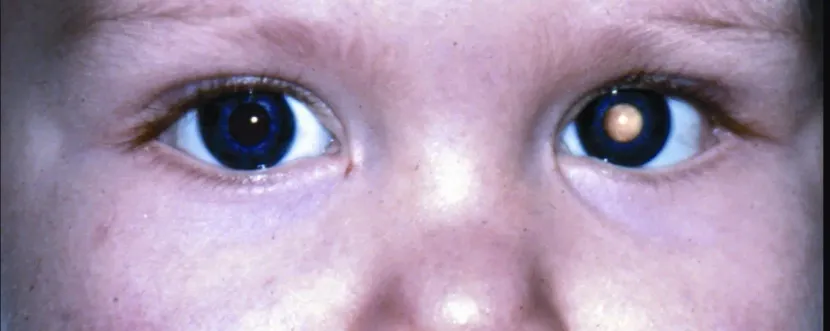
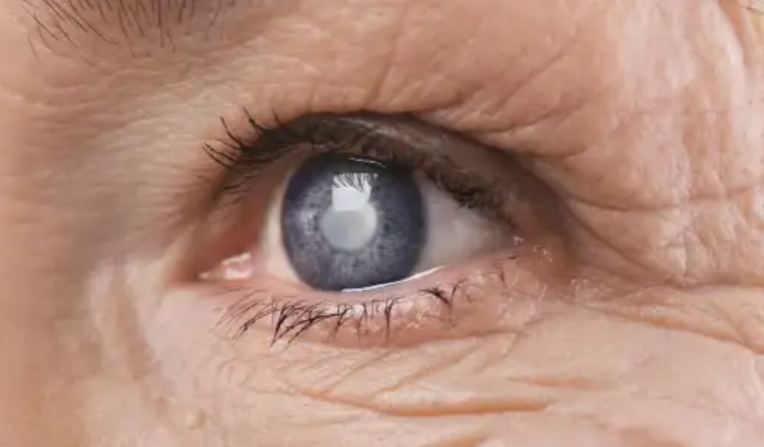
cataract surgery planning and preparation leading to gallery
Your Steps To Better Vision
Get treated and cared by the compassionate and experienced medical team
STEP 1
Get In Touch With Us
Call us : +91 7078018111, +91-7078082666
Mail Us : info@raahinetradham.com
Chat on WhatsApp : +91-7078082666
STEP 2
Book Doctor Appointment
Get your appointment with the doctor to consult about your eye condition and treatment options available
STEP 3
Get Your Treatment
With proper consultation with the doctor, get your treatment as early as possible to restore your sight