
Schedule Your Visit
Fill out the appointment form and our team will contact you shortly.

Uvea (Uveitis) Services – Specialized Care for Eye Inflammation
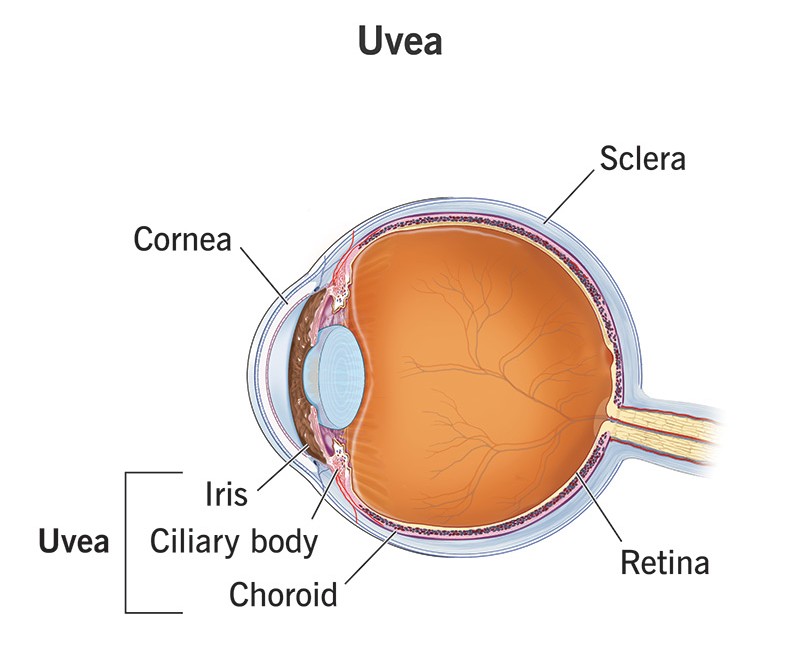
At Raahi Netradham Eye Hospital, we offer comprehensive Uvea (Uveitis) Services focused on the early diagnosis, precise treatment, and long-term management of inflammatory eye diseases affecting the uvea. The uvea is the middle layer of the eye that includes the iris, ciliary body, and choroid, and inflammation in this region—known as uveitis—can seriously impact vision if not treated promptly.
Our experienced eye specialists use advanced diagnostic tools and evidence-based treatment protocols to control inflammation, relieve symptoms, and prevent complications, helping patients preserve healthy vision.
What Is Uveitis?
Uveitis is an inflammatory condition of the uvea and surrounding eye tissues. It may occur suddenly or develop gradually and can affect one or both eyes. Uveitis is often linked to autoimmune disorders, infections, trauma, or systemic diseases, though in some cases the cause may remain unknown.
Types of Uveitis We Treat
We diagnose and manage all major forms of uveitis, including:
- Anterior Uveitis – Inflammation of the iris; the most common type
- Intermediate Uveitis – Affects the vitreous and ciliary body
- Posterior Uveitis – Involves the retina and choroid
- Panuveitis – Inflammation affecting all layers of the uvea
Each type requires a tailored treatment approach, which our specialists carefully design based on severity and cause.

Contact Us for Your Next Eye Checkup in Dehradun
Prioritize your eye health today. Visit Raahi Netradham Dehradun at 3rd Floor, Haridwar Bypass Rd, Rispanapul, Ajabpur Kalan, Dehradun, Uttarakhand. Call +91-7078082666 , +91 7078018111 or email info@raahinetradham.com to book. Open Monday to Saturday, 9 AM to 6 PM. Book Now and Experience Premier Care at the Best Eye Hospital in Dehradun!

Common Symptoms of Uveitis
- Eye redness and pain
- Blurred or reduced vision
- Sensitivity to light (photophobia)
- Floaters or dark spots in vision
- Excessive tearing
Note: Delaying treatment can lead to complications such as glaucoma, cataract, retinal damage, or permanent vision loss.
Uveitis Treatment Options
Treatment depends on the type, cause, and severity of uveitis:
Medical Management
- Anti-inflammatory eye drops
- Steroid therapy (topical, oral, or injectable)
- Immunosuppressive medications (when indicated)
- Antibiotics or antivirals for infectious causes
Long-Term Disease Control
- Regular monitoring to prevent flare-ups
- Coordination with physicians or rheumatologists for systemic conditions
- Personalized follow-up schedules
Our goal is not only to treat the current inflammation but also to prevent recurrence and long-term damage.