
Schedule Your Visit
Fill out the appointment form and our team will contact you shortly.
What Is the Difference Between Cataract and Retina Problems? A Guide for Patients in Dehradun
Whether you live in Rajpur Road, Prem Nagar, Clement Town, or are visiting Dehradun from Mussoorie, Haridwar, or Tehri, if your vision has been getting blurry, you have probably come across two terms: cataract and retina problem. And you are probably wondering which one applies to you.
It is a very common point of confusion in Dehradun's eye clinics. Both conditions cause blurry vision. Both are more common with age. And both are treated at Raahi Netradham on Haridwar Bypass Road. But that is almost where the similarity ends.
The cause, the urgency, the treatment, and the specialist you need are completely different for each condition. Getting this distinction right can be the difference between a planned surgery at a time of your choosing—and a medical emergency that cannot wait until morning.
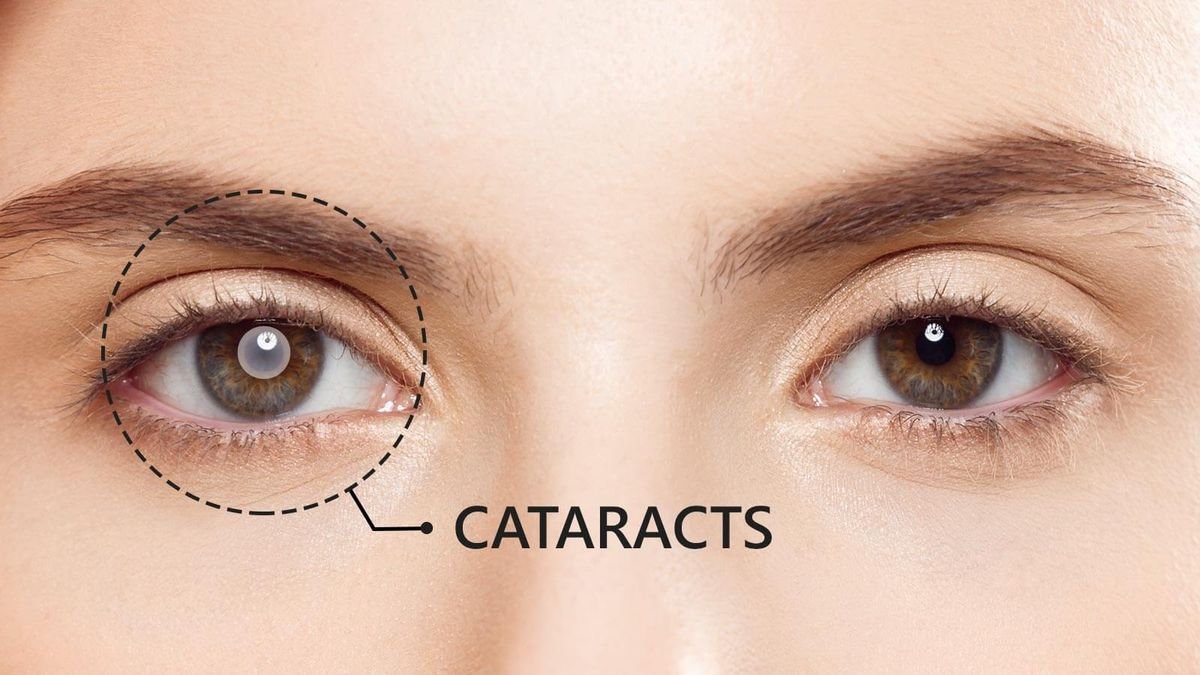
A cataract develops when the natural lens inside the eye becomes cloudy, causing gradual blurring of vision. On the other hand, a retina problem affects the light-sensitive tissue at the back of the eye, where damage can occur suddenly or silently and may permanently affect eyesight if treatment is delayed.
While cataracts usually progress slowly and can often be treated with planned surgery, retinal conditions such as retinal tears, retinal detachment, diabetic retinopathy, or macular degeneration may require immediate evaluation by a retina specialist to prevent irreversible vision loss.
This guide, written specifically for patients across Dehradun and the wider Garhwal-Kumaon region, explains the key differences between cataracts and retinal diseases, their symptoms, when they become emergencies, and how doctors determine the correct diagnosis.
By the end, you'll understand whether your symptoms are more likely related to a cataract or a retina problem—and why getting the right diagnosis early can help protect your vision for years to come.
Not Sure Whether It's a Cataract or Retina Problem?
One comprehensive eye examination at Raahi Netradham, Dehradun can identify whether your blurred vision is caused by a cataract, a retinal disorder, or another eye condition—often in a single visit.
What We'll Cover
Cataracts and retina problems are often confused because both can cause blurry vision. However, they affect different parts of the eye, require different treatments, and have very different levels of urgency. This guide explains everything you need to know to understand the difference and know when to seek expert care in Dehradun.
- Where each condition lives inside the eye
- What a cataract is, how it feels, and how it is treated in Dehradun
- Common retina problems and their symptoms
- Side-by-side comparison of cataract vs retina disease
- A simple symptom self-checker
- Can you have both conditions at the same time?
- Which condition is more serious?
- Which eye specialist to consult in Dehradun—and when
- Frequently Asked Questions
Unsure What's Causing Your Blurred Vision?
A comprehensive eye examination at Raahi Netradham can determine whether your vision problems are due to a cataract, a retinal condition, or another eye disease—often during a single visit.
Book an Eye Checkup
Early diagnosis helps preserve vision and ensures you receive the right treatment without unnecessary delays.
Call: +91 7078082666
WhatsApp: Available for appointment booking
No referral required.
First — Where Does Each Condition Live in the Eye?
Understanding this one fact makes everything else in this guide easy to follow. The eye has two very different problem zones, and cataracts and retina conditions occur in completely different parts of the eye.
| Cataract | Retina Problem | |
|---|---|---|
| Location | Front of the eye — inside the natural lens | Back of the eye — the retinal lining |
| What is affected | The lens that focuses incoming light | The layer that captures light and sends it to the brain |
| Analogy | A frosted or dirty camera lens | A damaged or detached camera sensor |
| Onset | Usually gradual over months or years | Can be gradual or sudden depending on the condition |
| Reversibility | Usually fully reversible with cataract surgery | Depends on the disease and how quickly treatment begins |
Think of it this way: a cataract is a problem with the window through which light enters your eye, while a retina problem affects the screen at the back of the eye that processes the image. Both reduce vision—but for completely different reasons and with very different treatments.
Cataract — What It Is, How It Feels, and How It Is Treated in Dehradun
What Is a Cataract?
The natural lens inside your eye is normally crystal clear, allowing light to pass through and focus sharply on the retina. As people age—typically after the age of 50 or 60—the lens gradually becomes cloudy and yellowish. This clouding is known as a cataract. Cataracts may also develop earlier due to diabetes, previous eye injuries, long-term steroid use, or certain medical conditions.
As the lens becomes cloudy, light entering the eye gets scattered instead of passing through clearly. This leads to hazy vision, glare while driving at night, faded colours, difficulty reading, and frequent changes in glasses prescription. Unlike retinal diseases, cataracts usually progress slowly, giving patients time to plan surgery when vision begins to interfere with daily life.
Cataracts remain one of the most common causes of treatable vision loss in Uttarakhand. At Raahi Netradham, Dehradun, modern cataract surgery replaces the cloudy natural lens with a clear artificial intraocular lens (IOL), restoring vision for most patients quickly and safely.
Symptom Self-Checker — Which Is More Likely to Be Yours?
Go through these lists and see which column your symptoms match most closely. This is a guide—not a diagnosis—but it can help you understand what may be causing your blurred vision and what information to share when you contact Raahi Netradham, Dehradun.
If you're ever unsure, a comprehensive eye examination is the safest way to identify the actual cause and begin the right treatment.
Your Symptoms Point Toward a Cataract If...
- Your vision has been getting worse gradually over months or years with no sudden change.
- Driving on Haridwar Bypass Road or Rajpur Road at night has become difficult because of glare.
- Street lights and headlights appear to have haloes or starbursts around them.
- Colours look dull, faded, or slightly yellow.
- Your spectacle prescription has been changing frequently.
- You are over 55 years old with no previous major eye disease.
- Both eyes are affected, although one eye is usually worse.
Your Symptoms Point Toward a Retina Problem If...
- Your vision changed suddenly—overnight or within a few days.
- You have recently noticed new floaters such as specks, threads, or cobwebs.
- You see flashes of light in the corner of your vision.
- A dark curtain, shadow, or veil seems to be moving across your vision.
- Straight lines, door frames, or buildings appear wavy or bent.
- There is a dark or blank patch in the centre of your vision.
- You have diabetes—even if your vision currently feels normal.
- You have high myopia (spectacle power greater than -6.00).
Your Symptoms Could Point Toward Both If...
- You are over 60 years old, when both cataracts and retinal diseases become more common.
- You have diabetes, as diabetic patients frequently develop both cataracts and diabetic retinopathy.
- You have previously had cataract surgery and are now experiencing new floaters or changes in vision.
- Your vision improved after cataract surgery but is still not as clear as expected.
- Only a detailed eye examination can determine whether one or both conditions are affecting your eyesight.
Still Not Sure Which Condition You Have?
A comprehensive eye examination at Raahi Netradham, Dehradun can quickly determine whether your symptoms are caused by a cataract, a retina problem, or another eye condition.
Call: +91 7078082666
WhatsApp: Available for appointment booking.
Symptoms — What Patients in Dehradun Typically Describe
Cataracts usually develop slowly and painlessly. Most patients don't notice the changes immediately, but over time everyday activities such as driving, reading, and recognizing faces become more difficult.
- Gradual, painless blurring that has worsened over months or years—not suddenly.
- Difficulty driving on Haridwar Bypass Road or Rajpur Road at night because of glare from headlights.
- Haloes around streetlights or illuminated signboards, especially during the evening.
- Colours appearing dull, faded, or slightly yellow, making everyday scenery seem less vibrant.
- Frequent changes in spectacle prescription, with glasses becoming ineffective within a short period.
- Difficulty reading newspapers, mobile phone screens, or restaurant menus in dim lighting.
- One eye is often noticeably worse than the other.
Key Cataract Characteristic for Dehradun Patients
Cataract vision loss is almost always gradual. If your eyesight has been worsening slowly over several months or years—with no sudden loss of vision, no flashes of light, no curtain-like shadow, and no new floaters—it follows the classic cataract pattern. However, if your vision became blurred suddenly, it is much more likely to indicate a retina problem, and you should seek prompt evaluation from an eye specialist.
Retina Problems — What They Are and What They Feel Like
What Is the Retina and What Can Go Wrong?
Your retina is a delicate, paper-thin layer of tissue lining the inside back wall of the eye. It works like the sensor inside a digital camera—capturing light and converting it into signals that travel through the optic nerve to the brain, where they become the images you see.
Unlike cataracts, which are a single condition treated with surgery, the term "retina problem" refers to several different diseases. Each has its own symptoms, urgency, and treatment approach. Some require routine monitoring, while others are true eye emergencies that demand immediate medical attention.
Several retinal diseases are commonly diagnosed among patients visiting Raahi Netradham, Dehradun, especially those with diabetes, high blood pressure, high myopia, or age-related eye changes.
Common Retina Problems
| Retina Condition | Who It Affects in Dehradun | Urgency | Key Symptom |
|---|---|---|---|
| Retinal Detachment | Any age; higher risk with high myopia, eye injury, or after cataract surgery | Same-Day Emergency | Dark curtain, sudden floaters, flashes of light |
| Diabetic Retinopathy | Common among Dehradun's growing diabetic population | Varies | No symptoms early; blurred vision and floaters later |
| Age-Related Macular Degeneration (AMD) | Adults aged 60 years and above | Gradual / Urgent | Central vision loss and wavy straight lines |
| Retinal Vein Occlusion | Adults with high blood pressure, usually 50–70 years | Same Week | Sudden partial vision loss in one eye |
| Macular Hole / Epiretinal Membrane (ERM) | Adults over 60 years; more common in women | 1–2 Weeks | Blank patch or distortion in central vision |
| Posterior Vitreous Detachment (PVD) | Adults over 50 years as part of natural ageing | Monitor | New floaters, sometimes accompanied by flashes |
A Dehradun-Specific Note
Diabetes has become increasingly common across Uttarakhand, and Dehradun has a large population of patients living with diabetes. As a result, diabetic retinopathy is one of the most frequently diagnosed retinal diseases at Raahi Netradham. If you have diabetes and your retina has not been examined within the last 12 months, scheduling a comprehensive retinal check-up is strongly recommended—even if your vision currently feels normal.
Side-by-Side Comparison — All the Key Differences
| Feature | Cataract | Retina Problem |
|---|---|---|
| Location in the Eye | Front of the eye — inside the natural lens | Back of the eye — retinal layer |
| Onset | Always gradual over months or years | Can be gradual or sudden |
| Pain | Painless | Usually painless |
| Floaters | Not caused by cataracts | Common, especially in retinal tears and PVD |
| Flashes of Light | Not caused by cataracts | Classic warning sign of retinal traction |
| Dark Curtain in Vision | Does not occur | Classic emergency sign of retinal detachment |
| Wavy or Bent Straight Lines | Not typical | Common in macular diseases |
| Glare & Night Haloes | Very common | Less common |
| Central Blank Patch | Rare | Typical of macular disorders |
| Both Eyes Affected | Usually yes, one worse first | May affect one or both eyes |
| Treatment | Cataract surgery with intraocular lens implantation | Observation, laser, injections, or vitreoretinal surgery |
| Emergency Potential | No — surgery is planned | Yes — some retinal diseases require same-day treatment |
| Vision Outcome | Excellent in most patients after surgery | Depends on the disease and how early treatment begins |
| Specialist at Raahi Netradham | Dr. Isha Agarwalla – Cataract & Oculoplasty | Dr. Mohit Garg / Dr. Chintan Desai – Vitreoretina Specialists |