
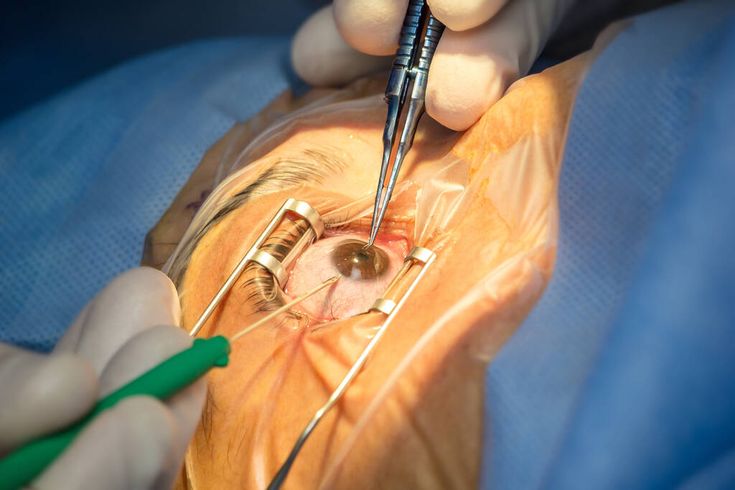
Best Cataract Surgeon in Dehradun: What Every Patient Must Know Before Choosing
Ready to Restore Your Vision?
Book a consultation with Dehradun's expert cataract surgeons at Raahi Netradham today.
Call: +91 7078082666 | Book Appointment
At a Glance: What Makes the Best Cataract Surgeon in Dehradun?
- Look for a surgeon with a DNB/MS qualification and subspecialty cataract training
- Choose a hospital with a phacoemulsification machine (no-stitch, no-injection surgery)
- Your surgeon should offer multiple lens (IOL) options and explain each clearly
- NABH or NABL accreditation signals patient safety standards
- Post-surgery follow-up care is as important as the surgery itself
- Raahi Netradham, Dehradun — a leading cataract centre with DNB-qualified surgeons
Introduction: Why Choosing the Right Cataract Surgeon Matters So Much
Your eyesight is irreplaceable. When a cataract starts blurring your world — making the colours dull, the headlights glare, and the newspaper unreadable — the thought of surgery can feel overwhelming. And the first question most families in Dehradun ask is a deeply personal one: Who is the best cataract surgeon I can trust with my eyes?
It is a fair question. Cataract surgery is one of the most commonly performed eye procedures in India, with millions of operations carried out every year. When done well by an experienced surgeon using modern equipment, it is safe, effective, and life-changing. But when patients pick a facility based on convenience alone — without asking the right questions — outcomes can vary.
This guide is written for real patients: those of you researching for yourself, for a parent, or for a spouse. By the time you finish reading, you will know exactly what to look for in a cataract surgeon in Dehradun, which questions to ask at your first consultation, and the warning signs that should make you think twice.
What Is a Cataract?
A cataract is the clouding of the eye's natural crystalline lens, which sits behind the iris. As proteins in the lens break down over time — typically with age, though sometimes due to diabetes, steroid use, or injury — they clump together, causing blurring, glare, and eventually significant vision loss. Cataracts cannot be reversed with glasses or medication; surgery remains the only effective treatment.
Table of Contents
- What Is a Cataract — and When Does Surgery Become Necessary?
- What Qualifications Should a Cataract Surgeon Have?
- Why Surgical Experience and Volume Matter
- Modern Cataract Technique: What to Expect
- Lens Options: Understanding Your IOL Choices
- The Hospital Matters as Much as the Surgeon
- Key Questions to Ask Before Your Cataract Surgery
- Red Flags: 5 Signs a Cataract Centre May Not Be Right for You
- Cataract Surgery: Benefits, Risks & Recovery — Explained Honestly
- How Raahi Netradham Approaches Cataract Care
- Frequently Asked Questions
- Conclusion
1. What Is a Cataract — and When Does Surgery Become Necessary?
You do not need surgery the moment a cataract is diagnosed. In its early stages, cataracts may only cause minor changes — a slight blur, or the need for a stronger glasses prescription. Many people live with early cataracts comfortably for months or years.
Surgery becomes necessary when the cataract begins to interfere significantly with daily life. Common signs that it is time to consider surgery include:
- Blurry or foggy vision that glasses cannot correct
- Difficulty reading, watching television, or recognising faces
- Glare or halos around lights, especially while driving at night
- Colours that appear faded or yellowish
- Double vision in one eye
- Frequent changes in your eyeglass prescription
Important: Only a qualified ophthalmologist can determine whether you are ready for cataract surgery. Self-diagnosis from online symptoms is not a substitute for a dilated eye examination.
2. What Qualifications Should a Cataract Surgeon Have?
In India, any MBBS doctor can technically offer eye care, but cataract surgery demands specialised training. Here is what to look for:
Essential Academic Credentials
| Qualification | What It Means | Why It Matters |
|---|---|---|
| MBBS | Bachelor of Medicine & Surgery | Basic medical degree — necessary but not sufficient alone |
| MS (Ophthalmology) | Master of Surgery — a 3-year PG residency | Comprehensive surgical training in eye care |
| DNB (Ophthalmology) | Diplomate of National Board — nationally recognised PG qualification | Equivalent to MS; assessed by the National Board of Examinations |
| FAICO / FICO | Fellowship in Cataract & IOL / Intraocular Implant Surgery | Subspecialty training focused specifically on cataract and lens surgery |
| MNAMS | Member, National Academy of Medical Sciences | Indicates peer recognition and academic standing |
A cataract surgeon with a DNB or MS qualification and an additional FAICO or FICO fellowship has invested years in the specific skills required for safe, high-quality lens surgery. This combination — like the credentials of the surgeons at Raahi Netradham — is a good sign of serious training.
Additional Signs of Ongoing Learning
- Active memberships in professional bodies like the All India Ophthalmological Society (AIOS)
- Attendance at national or international cataract and IOL conferences
- Publications or research in ophthalmology journals
- Training at reputed institutes such as LV Prasad Eye Institute, Aravind Eye Hospital, or AIIMS
3. Why Surgical Experience and Volume Matter
Credentials tell you that a surgeon was trained. Experience tells you that they have refined those skills over hundreds — ideally thousands — of surgeries.
Cataract surgery through phacoemulsification (the modern no-stitch technique) involves a series of intricate steps: making a microincision, emulsifying the cloudy lens with ultrasound energy, and inserting a foldable artificial lens into the tiny capsular bag. In expert hands, this takes about 10–15 minutes. But the hands must be very steady and the surgeon must know exactly how to handle every complication.
What the Research Shows
Studies in ophthalmic literature consistently show that surgeons who perform higher volumes of cataract surgeries have lower complication rates. Asking a surgeon how many procedures they perform per month is not an impolite question — it is a sensible one.
When evaluating experience, consider asking:
- How many cataract surgeries do you perform per month?
- Have you operated on patients with my type of cataract (dense, traumatic, paediatric, etc.)?
- Do you manage complications in-house if they arise?
4. Modern Cataract Technique: What to Expect
Cataract surgery has advanced significantly over the last two decades. Understanding the basic techniques helps you have a more informed conversation with your surgeon.
Phacoemulsification — The Gold Standard Today
This is the modern, no-stitch, no-injection cataract surgery technique. A tiny ultrasound probe is inserted through a 2–3 mm incision, which breaks up (emulsifies) the cloudy lens into tiny fragments, which are then gently suctioned out. A foldable artificial lens (IOL) is then rolled up and inserted through the same small incision, where it unfolds and sits in position.
- No stitches required in most cases
- Topical (eye drop) anaesthesia — no painful injection around the eye
- Recovery is typically fast, often within days
- Lower risk of infection and astigmatism compared to older techniques
Laser-Assisted Cataract Surgery (FLACS)
Femtosecond laser-assisted cataract surgery uses a laser to perform some of the initial steps — incisions, capsulotomy, and lens softening — with greater precision. While it is a newer technology, it is particularly useful for complex cases or premium lens implantation requiring precise centration.
The Older Large-Incision Technique (ECCE / SICS)
Extracapsular Cataract Extraction (ECCE) and Small Incision Cataract Surgery (SICS) use larger incisions. SICS is still used in some settings, particularly for very dense cataracts where phacoemulsification carries higher risk. However, in most urban centres like Dehradun, phacoemulsification is the preferred approach.
| Feature | Phacoemulsification | SICS | FLACS |
|---|---|---|---|
| Incision Size | 2–3 mm | 5–7 mm | 2–3 mm (laser-made) |
| Stitches | None | May require 1–2 | None |
| Anaesthesia | Eye drops | Local injection | Eye drops |
| Recovery Time | Days to 1 week | 2–4 weeks | Days to 1 week |
| IOL Options | All types | Limited | All types, especially premium |
| Recommended For | Most patients | Very dense cataracts | Complex/premium cases |
5. Lens Options: Understanding Your IOL Choices
The artificial lens (intraocular lens or IOL) your surgeon implants will remain in your eye for life. This is one of the most important conversations you will have before surgery.
Types of Intraocular Lenses
| Lens Type | Vision Correction | Best For | Glasses After Surgery? |
|---|---|---|---|
| Monofocal IOL | Distance or near (not both) | Distance vision; reading glasses needed | Usually for near |
| Multifocal IOL | Distance + intermediate + near | Patients who want to reduce glasses dependence | Often not needed |
| Trifocal IOL | Three focal points | Active patients wanting full range of vision | Rarely needed |
| Toric IOL | Distance + corrects astigmatism | Patients with significant corneal astigmatism | Usually for near only |
| Extended Depth of Focus (EDOF) | Continuous range (distance to intermediate) | Those wanting minimal halos/glare | May need for very close work |
A good cataract surgeon will take the time to understand your lifestyle — whether you drive frequently, use a computer for work, read a lot, or enjoy outdoor activities — before recommending a lens. There is no universally 'best' lens; the right lens is the one that suits your life.
Patient Tip
Before your consultation, note down your daily vision tasks. Do you drive at night? Use a smartphone heavily? Read paperback books? Share this with your surgeon. It helps them recommend the most appropriate IOL for your specific visual needs.
Confused About Which Lens Is Right for You?
Our cataract specialists at Raahi Netradham will assess your eye, explain every option clearly, and help you decide — without pressure.
Book a Consultation: +91 7078082666 | raahinetradham.com/book-appointment
6. The Hospital Matters as Much as the Surgeon
Even the most skilled surgeon can be limited by the facility they operate in. When evaluating a cataract centre in Dehradun, here is what to look for in the hospital itself.
Equipment to Ask About
- Phacoemulsification machine — essential for modern cataract surgery
- Operating microscope — a high-quality ophthalmic microscope is non-negotiable
- Biometry machine (IOL Master or similar) — measures the eye accurately for lens power calculation
- OCT (Optical Coherence Tomography) — checks retinal health before and after surgery
- Modular Operation Theatre with HEPA filtration — critical for infection control
Accreditation and Safety Standards
Hospital accreditation is not just a certificate on the wall. It represents adherence to clinical protocols, infection control, patient rights, and quality benchmarks set by independent bodies.
- NABH (National Accreditation Board for Hospitals) — India's gold standard for hospital safety and care quality
- NABL (for diagnostic labs) — ensures your pre-operative tests are accurate
Raahi Netradham is a NABH-accredited eye hospital in Dehradun, operating from a modern facility in Ajabpur Kalan with specialised ophthalmic equipment including a phacoemulsifier, vitrectomy machine, OCT, Nd: YAG laser, and a dedicated modular OT.
Infection Control Practices
Cataract surgery is performed inside your eye. Any lapse in sterility can result in endophthalmitis — a serious intraocular infection that can permanently damage vision. Ask about:
- Single-use (disposable) instruments for each patient
- Pre-operative antibiotic eye drops protocol
- Sterilisation protocols in the OT
- Post-operative antibiotic and anti-inflammatory drops
7. Key Questions to Ask Before Your Cataract Surgery
The best surgeons welcome questions. If a doctor seems dismissive or rushed when you ask these, take note.
About the Surgeon
- What are your qualifications and subspecialty training in cataract surgery?
- How many cataract surgeries do you perform per month?
- Have you handled cases similar to mine — dense cataracts, post-LASIK eyes, diabetic patients?
- Will you personally perform my surgery, or will a trainee be involved?
- What is your complication rate, and how do you manage complications?
About the Procedure
- Which surgical technique do you recommend for me and why?
- What type of anaesthesia will be used?
- How long will the surgery take?
- When can I return to normal activities — reading, driving, work?
About the Lens
- What lens are you recommending for me, and why that specific type?
- What are the advantages and limitations of this lens for my lifestyle?
- Are premium IOLs suitable in my case?
About Post-Surgery Care
- What follow-up schedule should I expect?
- What eye drops will I need, and for how long?
- What are the warning signs I should call you about immediately?
8. Red Flags: 5 Signs a Cataract Centre May Not Be Right for You
Protecting your vision means also knowing when to walk away.
Red Flag 1: Pressure to Decide Immediately
A reputable surgeon will give you time to think, compare, and ask questions. If you feel rushed into signing a consent form at your very first visit, that is a concern.
Red Flag 2: No Biometry Done Before Surgery
Biometry (A-scan or IOL Master) is essential to calculate the correct lens power. If a centre proposes surgery without this step, the risk of post-surgical glasses dependence (or worse, a refractive error) increases significantly.
Red Flag 3: No Retinal Evaluation Before Surgery
Any pre-existing retinal condition — diabetic retinopathy, macular degeneration, or retinal holes — can affect your post-surgery vision. A responsible surgeon dilates and examines the retina before cataract surgery.
Red Flag 4: Vague or Evasive Answers About Equipment
You are entitled to know what machine will be used for your surgery. If the surgeon or staff cannot tell you whether they use a phacoemulsification machine, or if the operating microscope is outdated, ask more questions.
Red Flag 5: No Post-Operative Follow-Up Plan
Cataract surgery follow-up visits — typically at day 1, week 1, month 1, and sometimes month 3 — are standard practice. These visits catch early complications and monitor healing. A centre that does not have a structured follow-up protocol is cutting corners on your care.
9. Cataract Surgery: Benefits, Risks & Recovery — Explained Honestly
Benefits
- Dramatic improvement in vision quality, often within 24–48 hours
- Restoration of colour perception and contrast sensitivity
- Reduced dependence on glasses (especially with premium IOLs)
- Improved ability to drive safely, especially at night
- Enhanced quality of life, independence, and confidence
- One-time, permanent solution — the IOL does not need to be replaced
Risks — Honest and Transparent
Modern phacoemulsification cataract surgery is extremely safe, but no surgical procedure carries zero risk. The following are uncommon but real possibilities:
- Posterior capsule rupture (a rare intraoperative complication)
- Posterior Capsule Opacification (PCO) — 'after-cataract' — treatable easily with YAG laser
- Infection (endophthalmitis) — very rare with proper sterility protocols
- Raised intraocular pressure — manageable with medications
- Retinal detachment — rare, slightly higher risk in very short-sighted eyes
- Refractive surprise — unlikely with accurate biometry
Most of these complications, if they occur, can be managed effectively by an experienced surgeon. Discussing them openly with your doctor before surgery is a sign of good communication — not something to be alarmed by.
Recovery Timeline
| Timeframe | What to Expect |
|---|---|
| Day 1 (Post-op visit) | Patch removed, vision may be slightly blurry — this is normal |
| Days 2–7 | Vision improves gradually; avoid rubbing the eye |
| Week 1 Follow-up | Surgeon checks for healing and IOP; adjust drops if needed |
| Week 2–4 | Most patients return to normal activities; driving generally permitted |
| Month 1 Follow-up | Final vision check and calculation for reading glasses if required |
10. How Raahi Netradham Approaches Cataract Care
At Raahi Netradham, we believe that exceptional cataract surgery combines world-class surgical expertise with deeply personalised patient care. Our clinical approach is built on stringent protocols to ensure the safety and best possible visual outcomes for our patients:
- Experienced DNB Surgeons: Your eyes are cared for by highly qualified ophthalmic surgeons with specialized subspecialty training in advanced cataract removal and lens implantation.
- Comprehensive Pre-Surgical Screening: Every patient undergoes a meticulous diagnostic protocol including precise IOL power calculation and thorough digital retinal imaging to screen for pre-existing conditions.
- Advanced Operative Technology: We utilize modern phacoemulsification systems and precise operating microscopes within a strictly monitored, sterile modular operating theatre to minimize risks.
- Tailored Lens Consultation: We spend time understanding your lifestyle, career, and visual goals to select the absolute right intraocular lens (IOL) fit for you.
Why Choose Raahi Netradham for Eye Care in Dehradun?
Raahi Netradham is Dehradun's leading eye hospital, specialising in retina care, cataract surgery, oculoplasty, and comprehensive diabetic eye disease management.
+91 7078082666 | +91 7078018111
info@raahinetradham.com
Monday–Saturday: 9 AM – 6 PM
Frequently Asked Questions (FAQs)
Optimised for Google AI Overview, ChatGPT, Gemini, Perplexity, and Voice Search.
12. Conclusion
Your eyes deserve nothing less than precision, safety, and a surgeon who puts your health first. Cataract surgery is a safe, routine, and highly predictable procedure, but the key to a lifetime of crisp vision lies in choosing the right surgeon and the right hospital. Take your time, ask the critical questions, evaluate the clinical qualifications, and ensure the hospital enforces strict NABH safety protocols before making your final decision.
Book Your Cataract Consultation at Raahi Netradham Today